How to Build an Emergency Preparedness Kit
Shodan Field Team · 2026-01-15 · 7 min read

Most households are three days away from serious discomfort if the power goes out or the roads close. The good news: a functional 72-hour kit costs less than most people spend on a weekend out, and you can build it in stages without turning your garage into a bunker.
Start with the rule of threes
Emergency planners use a simple hierarchy: you can survive roughly three hours without shelter in harsh conditions, three days without water, and three weeks without food. Your kit should follow the same priority order — warmth and shelter first, water second, food third, then everything that makes those three easier.
Water: one gallon, per person, per day
Store a minimum of three gallons per person. Sealed commercial water keeps for years; rotate it annually. For anything beyond 72 hours, add a filtration option — a straw filter or pump weighs ounces and turns almost any freshwater source into a backup supply.
Light and power
When the grid fails, light is the first thing you'll miss. Pack two independent light sources per person — a headlamp for hands-free work and a compact flashlight or lantern for area light. Add a hand-crank or battery radio for weather alerts, plus spare batteries stored outside the devices so they can't corrode the contacts.
First aid that goes beyond bandages
A real emergency kit needs more than adhesive strips: gauze, a tourniquet you've practiced with, trauma shears, antiseptic, and a two-week supply of any prescription medications your family takes. Review expiration dates every six months.
Food you'll actually eat
Choose calorie-dense foods that need no cooking: energy bars, peanut butter, canned goods with pull tabs, and comfort snacks for kids. Aim for 2,000 calories per adult per day. Skip anything that requires refrigeration or elaborate preparation.
Documents and cash
Photocopy IDs, insurance policies, and medical cards into a waterproof pouch. Keep small bills — ATMs and card readers don't work in a blackout.
Build it in stages
Don't try to do everything in one weekend. Week one: water and light. Week two: first aid and food. Week three: documents, tools, and a dedicated bag so everything lives in one place. A kit scattered across five closets is not a kit.
Maintain it
Set a calendar reminder every six months: rotate food and water, recharge batteries, re-check medications, and adjust clothing sizes for growing kids. A kit you maintain is a kit you can trust.
The bottom line
Preparedness isn't paranoia — it's planning. A few deliberate purchases and one organized afternoon put your household ahead of the curve and give your family options when the unexpected happens.
Shop This Guide
Gear From This Guide
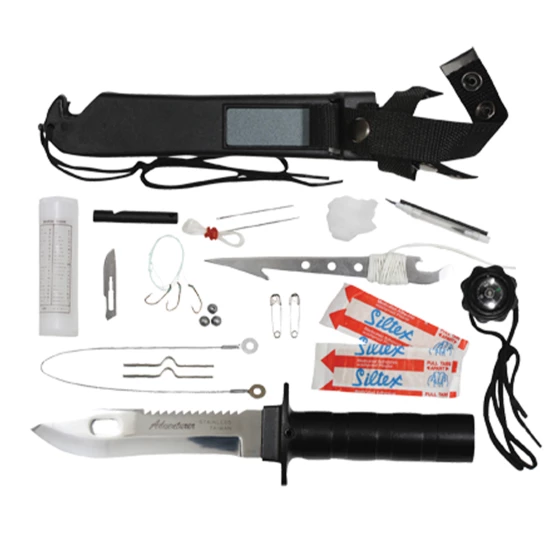
Rothco's Deluxe Adventurer Survival Kit Knife is the ultimate tool for any emergency situation, combining practicality with durability. The knife features a ...
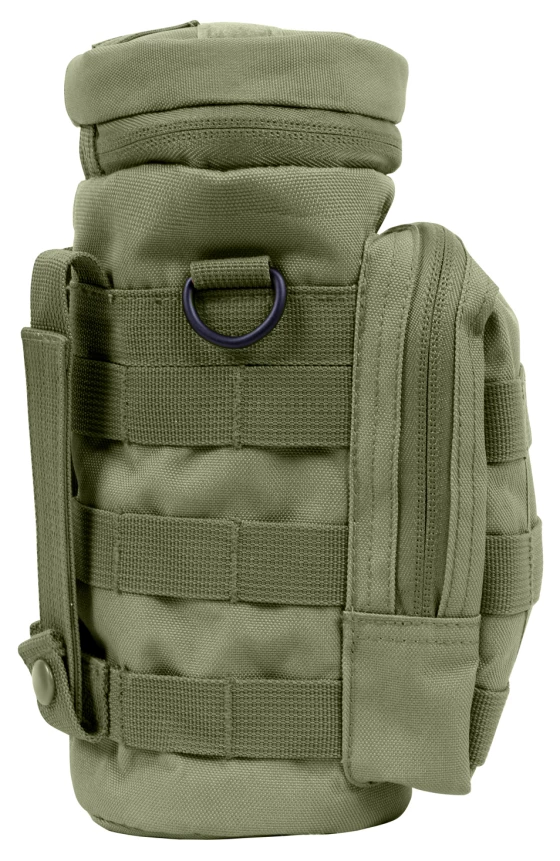
Discover Rothco's MOLLE Compatible Water Bottle Pouch, crafted from durable polyester. Perfect for outdoor excursions, this water bottle holder features ampl...
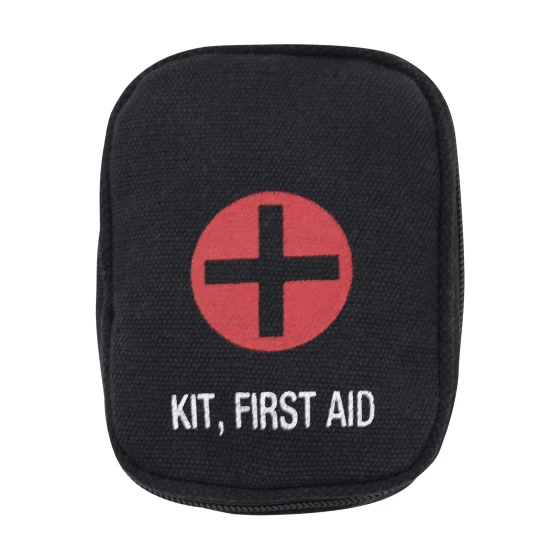
Rothco’s Military Zipper First Aid Kit is ideal for storing first aid medical supplies and other EDC items and can be stored right on your belt for swift acc...
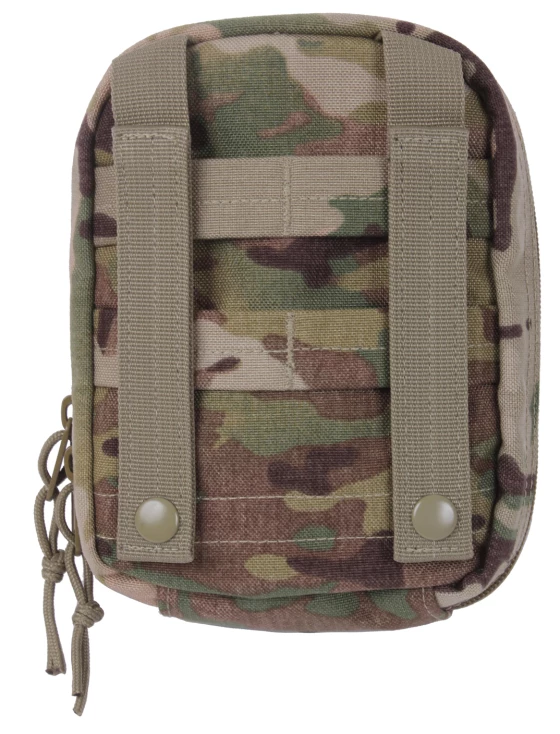
Prepare for emergencies with Rothco's MOLLE Tactical First Aid Kit, a compact and portable solution for any adventure. This MOLLE-compatible medical pouch is...
Get the Free Preparedness Checklist
Everything in this guide, in a printable one-pager.