How to Organize a MOLLE Pack
Shodan Field Team · 2026-05-15 · 6 min read

MOLLE (Modular Lightweight Load-carrying Equipment) is the military-born attachment system that turns a plain pack into configurable gear. But a wall of webbing is only useful if you organize it deliberately — here's how to lay out a MOLLE pack that works under stress.
How MOLLE actually works
MOLLE is a grid of heavy-duty nylon webbing rows (PALS — Pouch Attachment Ladder System) sewn at 1-inch intervals. Pouches weave through alternating rows on the pack and the pouch itself, locking solid. The weave is the point: done correctly, a pouch will not bounce, sag, or shift. If your pouch wobbles, re-weave it — skipping rows is the most common mistake.
Rule one: frequency determines position
Items you need constantly — light, snacks, phone, map — belong in hip belt pouches or the topmost exterior pouches. Items you need fast in an emergency — first aid — belong on the exterior in a marked pouch. Items you rarely touch — spare clothing, shelter — go deep inside the main compartment.
Rule two: weight rides high and close
Heavy items (water, tools) should sit close to your spine, between your shoulder blades. Weight mounted low or far from your back multiplies fatigue on every mile. Exterior MOLLE pouches should carry light, bulky items — not your heaviest gear.
Rule three: balance left and right
An unbalanced pack forces posture compensation that turns into shoulder and back pain within an hour. Weigh your loaded pouches roughly by hand and distribute them symmetrically.
The standard layout that works
Hip belt: light, snacks, small camera or phone. Side exterior: water bottle pouches, one per side for balance. Front exterior: first aid (marked), then general-purpose pouches. Main compartment: clothing and shelter at bottom, heavy items against the spine, food layer on top. Admin panel or lid: documents, batteries, repair tape, headlamp.
Color-code and standardize
Use pouch color or paracord zipper pulls to identify contents without opening anything: red for medical, black for tools, tan for food. Then keep the layout identical forever — under stress, your hands go where habit sends them.
Don't max out the webbing
Every square inch of MOLLE covered in pouches makes a pack heavy, slow through doors, and hard to sit against a tree. Leave webbing empty until a real need fills it. Empty rows also give you lash points for jackets and trekking poles.
The bottom line
Weave pouches fully, put weight high and close, keep the layout consistent, and resist the urge to fill every row. A disciplined MOLLE setup is faster, lighter, and more comfortable than an impressive-looking one.
Shop This Guide
Gear From This Guide
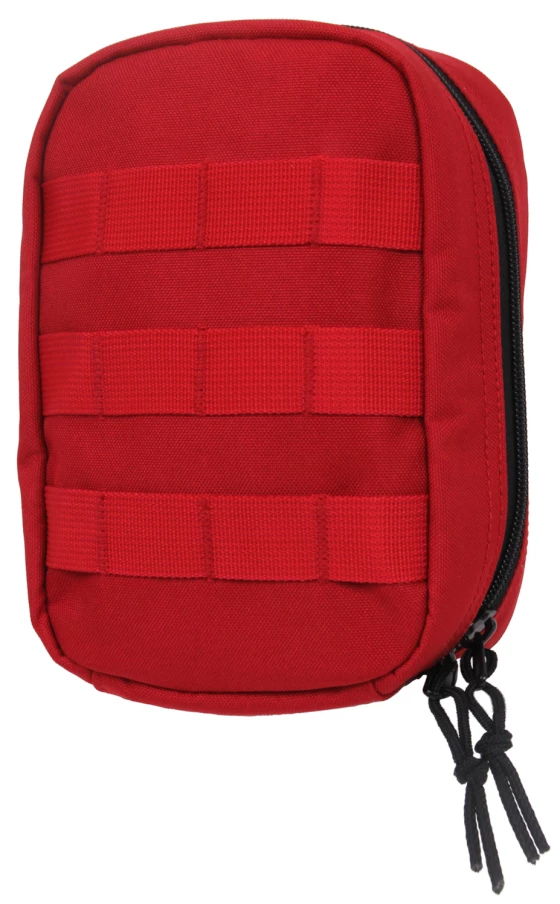
Be prepared and ready with our MOLLE Tactical Trauma Kit. This military medical pouch includes over 40 essential emergency items, and features a full-length,...
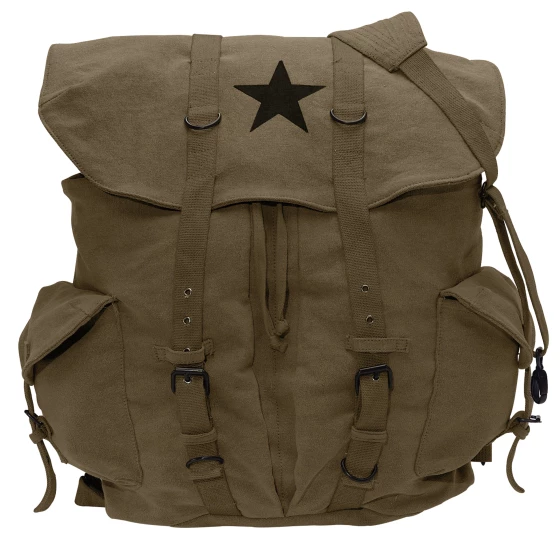
Rothco's Vintage Weekender Bag Is Made Using Washed Out Canvas and Features 2 Front Inside Pockets With Drawstring Closure, Inner Zipper Pouch, 2 Side Pocket...
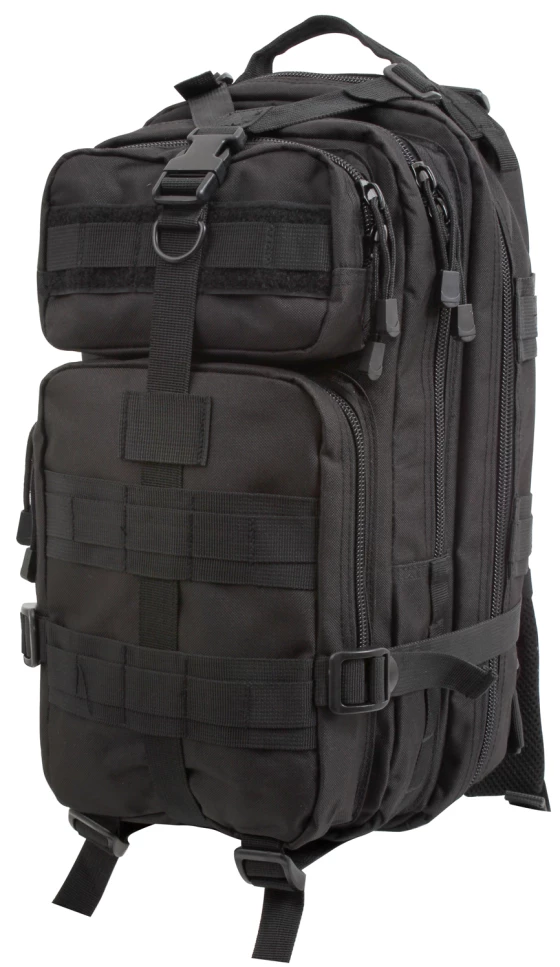
Rothco’s Trauma Kit features 190+ emergency supplies in a durable Medium Transport Pack. Crafted from heavy-weight polyester, this pack is built to withstand...
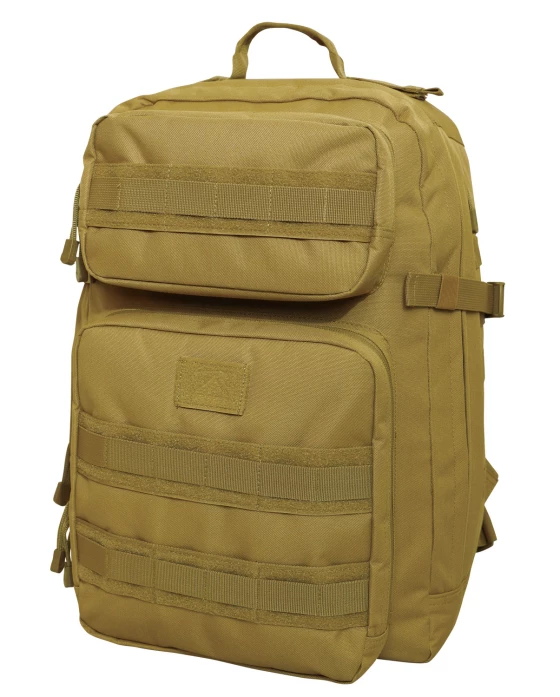
Our Fast Mover Tactical Backpack is the go-to solution for quick access to your tactical gear and outdoor supplies, featuring a main compartment with 3 zippe...
Get the Free Preparedness Checklist
Everything in this guide, in a printable one-pager.