How to Prepare for Severe Weather
Shodan Field Team · 2026-06-15 · 8 min read

Severe weather is the emergency you can actually see coming. Forecasts give you hours or days of warning — preparation determines whether that warning translates into safety or scrambling. Here's a calm, practical checklist.
Know your local threats
Preparation starts with geography. Coastal households plan for hurricanes and evacuation; the plains plan for tornadoes and shelter-in-place; northern states plan for ice storms and multi-day outages. Your county emergency management site lists the hazards ranked for your area — read it once and plan against the top two.
Get alerts that wake you up
Phone alerts fail when towers overload or power dies. A NOAA weather radio with battery backup and an alarm feature is the single most important severe-weather purchase — it will wake your household for a 2 a.m. tornado warning. Enable Wireless Emergency Alerts on every phone in the family as the second layer.
Prepare for the outage, not just the storm
Most severe-weather disruption is the aftermath: power out for days, roads blocked, stores closed. Stock water (one gallon per person per day, three-day minimum), no-cook food, flashlights and lanterns for every family member, a power bank for phones, and a battery or hand-crank radio. If anyone depends on powered medical equipment, register with your utility and plan a backup power source now.
Harden your home in an afternoon
Trim dead branches near the house. Clear gutters and storm drains. Anchor or store anything in the yard that wind can throw — patio furniture becomes a projectile at 60 mph. Know where your water, gas, and electrical shutoffs are and keep the tools to operate them nearby.
Plan the two scenarios: stay and go
Shelter-in-place: identify the safest room — lowest floor, interior, no windows for wind events. Stage your kit there. Evacuation: pick two routes out of your area (primary and backup), a family meeting point, and an out-of-state contact everyone texts to check in. Keep the vehicle above half a tank during storm season, with a go-bag of documents, medications, chargers, and cash.
Don't forget the paperwork
Photograph every room of your home for insurance claims. Store copies of policies, IDs, and medical information in a waterproof pouch inside your kit and digitally in cloud storage.
Practice once
A ten-minute family walkthrough — where we go, what we grab, who we text — turns your plan from a document into a reflex. Do it when you change your clocks each year.
The bottom line
Severe weather rewards the prepared and punishes the improvised. An afternoon of setup — radio, water, kit, plan — covers the storm and, more importantly, the days after it.
Shop This Guide
Gear From This Guide

Inspired by the reliably warm wool blankets used by the U.S. Military, Rothco’s Striped Outdoor Wool Blanket helps you brave the elements during camping trip...
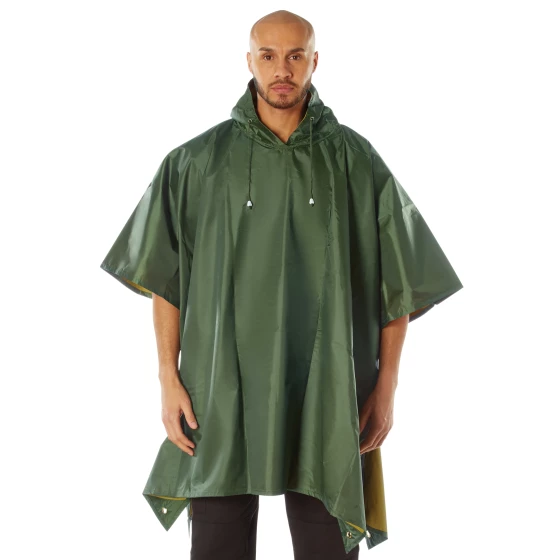
Stay prepared for sudden downpours with Rothco's Reversible Rubberized Poncho. This versatile poncho offers lightweight and portable rain protection, ideal f...
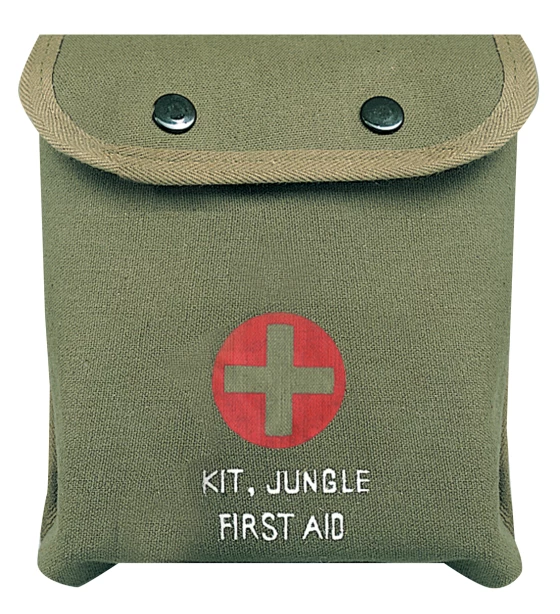
Rothco’s M-1 Jungle First Aid Kit Pouch is constructed with durable canvas material and is made portable with belt clips. The double buttons on the front of ...
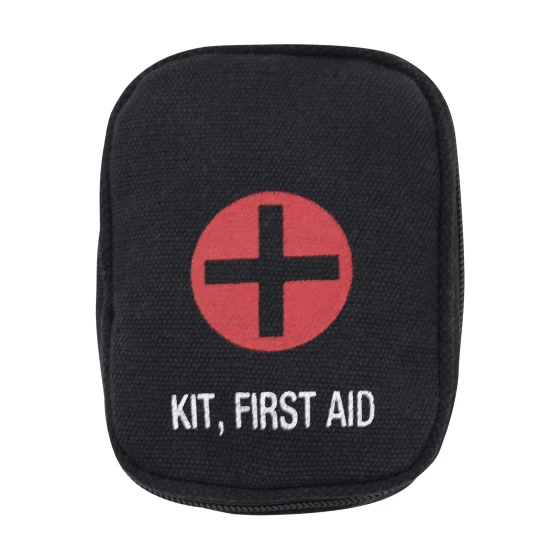
Rothco’s Military Zipper First Aid Kit is ideal for storing first aid medical supplies and other EDC items and can be stored right on your belt for swift acc...
Get the Free Preparedness Checklist
Everything in this guide, in a printable one-pager.